New York Tenant-Landlord Rental Laws & Rights for 2026

An Overview of Tenant-Landlord Laws in New York
Let's be brutally honest: if you're renting in New York, you're not just signing a lease—you're entering a legal ecosystem. A slip-up here isn't a "whoops"; it's a fast track to housing court, a lost security deposit, or a tenant you can't remove for a year. I've navigated this maze for over a decade, from regulated pre-wars in Brooklyn to market-rate towers in Manhattan. This isn't a gentle overview; it's a survival kit for the realities of New York housing. I'll cite the actual laws so you can fact-check me.
First, Know Your Arena: Are you in a rent-stabilized apartment (regulated rents, renewal rights)? A market-rate unit (fewer price controls, but still tons of rules)? Or something else entirely? Your rights and risks change dramatically. In NYC, assume you're covered by the Housing Stability and Tenant Protection Act (HSTPA) of 2019—a game-changer that tilted the field toward tenants. Ignorance of it is your biggest liability.
💰 SECURITY DEPOSITS: The New (Stricter) Math
Forget the old rules. The 2019 laws rewrote the book.
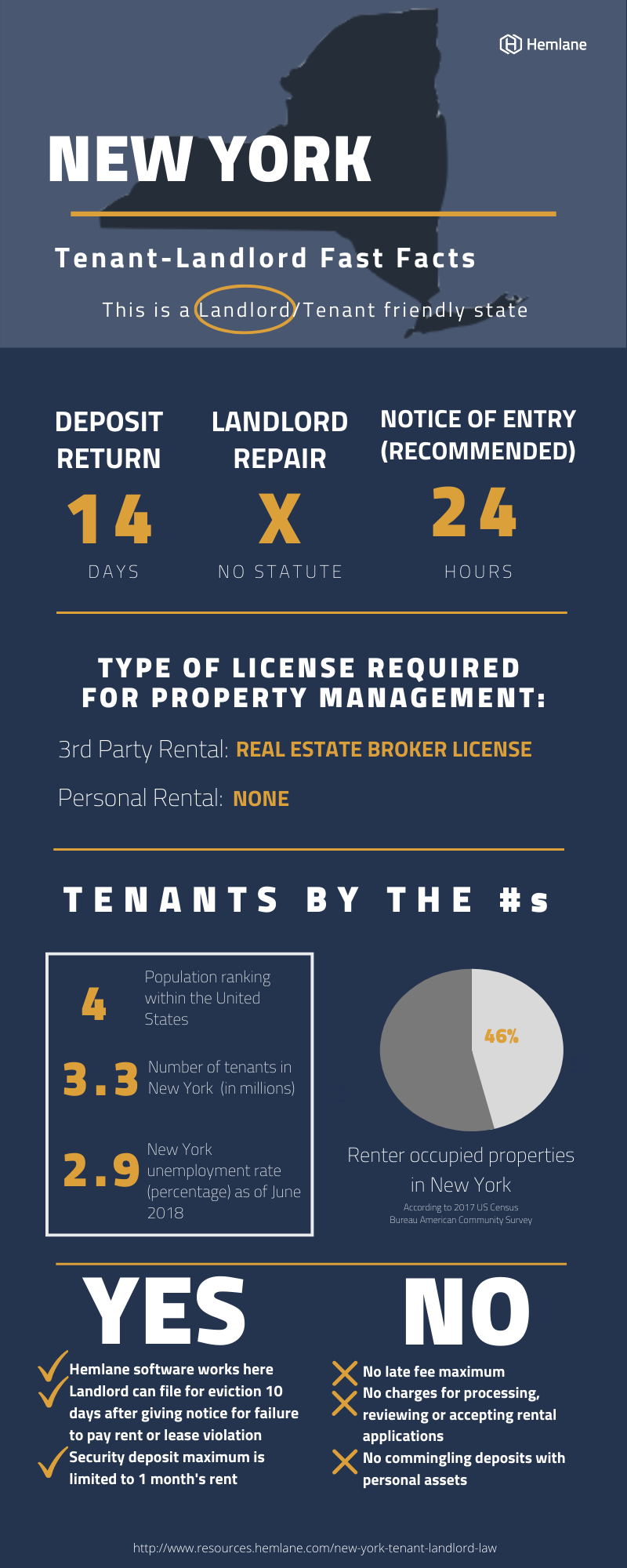
- The Cap: It's now one month's rent, maximum. No exceptions. Charging more is illegal.
- The Clock: Landlords have 14 days after you move out to either return the full deposit or provide an itemized accounting of deductions. Not 15 days. Fourteen. (NY Gen Oblig Law § 7-108).
- The Deductions: Only for damages beyond normal wear and tear or unpaid rent. "Normal wear and tear" is a legally defined term. Scuffed floors from living there 5 years? That's the landlord's cost of doing business. A hole punched in the wall? That's a deduction.
- THE LANDLORD NIGHTMARE: Miss that 14-day deadline? You likely forfeit all rights to keep any of the deposit. You have to give it all back. I've seen it enforced.
Pro-Tip for Tenants: Your move-in walkthrough is non-negotiable. Take timestamped photos/video of everything. Email them to your landlord. This is your shield. The NYC Tenant Rights Guide screams this for a reason.
Pro-Tip for Landlords: Use a digital inspection app. Store deposit funds in a NY State banking institution. The rules are too strict to wing it.
📈 RENT & LEASES: Where Things Get Complicated
- Rent Increases (The Minefield):
- Rent-Stabilized: The NYC Rent Guidelines Board (RGB) sets the maximum annual increase. It's usually a small percentage. You cannot charge more.
- Market-Rate: You can raise the rent, but for tenants in place for over a year or with a lease of 1-2 years, you often need 60-90 days' notice (NY Real Prop Law § 226-c). A 30-day notice won't cut it. Get this wrong, and the increase is void.
- The Lease is Sacred: In NY, a lease for longer than 3 years must be in writing, but always get it in writing. A verbal agreement is a ticking time bomb. The lease must include specific language and riders (like the lead paint notice). Using a generic form from the internet is asking for trouble.
🛠 REPAIRS & HABITABILITY: The "Warranty" is Real
New York enforces an implied warranty of habitability. This isn't a suggestion. It means the landlord must provide:
- Heat (Oct 1 - May 31): 68°F daytime, 62°F nighttime when outside is below 55°F.
- Hot water: 120°F, 24/7/365.
- A pest-free, structurally sound environment.
If repairs aren't made, DO NOT JUST WITHHOLD RENT. That's a classic eviction trap.
The legal path is a "repair and deduct" or an HP Action in housing court. You file a case, a judge orders the repairs, and may grant a rent abatement (a reduction) for the time the issue persisted. This requires paperwork and court dates, but it's the lawful, powerful method.
⚖️ EVICTIONS: The Long, Costly Siege
Forget "fast evictions." In New York, especially NYC, it's a 6-month to 2-year process for anything contested. The rules are hyper-technical.
Step 1: The Correct Notice.
- Non-Payment of Rent: 14-Day Notice to Pay or Quit (RPAPL 711(2)).
- Lease Violation (e.g., unauthorized occupant): 10-Day Notice to Cure, then a 30-Day Notice of Termination.
- End of Lease (Holdover): Notice period depends on tenancy length (30, 60, or 90 days).


Step 2: The Court Labyrinth.
You file a petition. The tenant gets a chance to answer. Then you have conferences, hearings, possibly a trial. Tenants can raise defenses: "The apartment has lead paint." "I was retaliated against for complaining." "The notice was defective." Any of these can derail the case for months.
Step 3: The Marshal.
Only after you win a judgment and get a Warrant of Eviction can the City Marshal carry out the lockout. Self-help (lock change) is a felony. You will be sued.
The Financial Reality: A non-paying tenant in a $3,000/month NYC apartment during a 9-month eviction costs you $27,000 in lost rent, plus $5,000-$15,000 in legal fees. This makes "cash for keys" settlements a rational business decision.
🚨 SAFETY & DISCRIMINATION: Zero-Tolerance Zones
- Smoke/CO Detectors, Window Guards: Not optional. Failure to install is a serious violation.
- Discrimination: Protected classes under NY State & City Human Rights Law go far beyond federal law, covering source of income (vouchers), immigration status, sexual orientation, and more. A rejected application can lead to a devastating complaint with the NYC Commission on Human Rights.
- Retaliation: If a tenant files a repair complaint or joins a tenants' association, and you then try to evict or raise rent, the law presumes it's retaliation. The burden is on you to prove otherwise (NY Real Prop Law § 223-b).
❓ YOUR NEW YORK FAQ – STRAIGHT ANSWERS
Q: How long does a landlord have to return a security deposit?
A: 14 days. Period. (NY Gen Oblig Law § 7-108).
Q: Can a landlord enter without permission?
A: No. Except for a true emergency (fire, flood). Otherwise, they need reasonable notice (24 hours is the standard).
Q: How much notice for a rent increase?
A: It's complicated. For tenants in place less than 1 year, 30 days. For 1-2 years, 60 days. For over 2 years or a lease term over 1 year, 90 days. (NY Real Prop Law § 226-c).
Q: Can I break my lease if my landlord doesn't make repairs?
A: Possibly, but you must follow the legal process first (HP Action in court). Don't just walk out—you could be sued for the remaining rent.
Q: Is there a grace period for late rent?
A: Only if your lease specifies one. Otherwise, it's late on day 2.
😫 "This Is Why I Partner with Hemlane for New York Properties"
After my first NYC eviction case—which took 11 months, consumed 80 hours of my time, and cost me over $30,000 in lost rent and fees—I realized I was a property owner, not a New York housing attorney.
The minute-by-minute tracking of notice periods, the exacting requirements for court petitions, the ledger maintenance for judgments… it's a full-time job. Hemlane is my compliance department for New York's insane complexity.
- State-Specific Law Engine: It doesn't just send a "late notice." It generates the correct 14-Day or 10-Day Notice required under NY law, based on the reason.
- Deadline Jail: It tracks the 14-day security deposit countdown and the 60/90-day rent increase notice windows so I never blow a critical deadline that voids my action.
- Unbreakable Digital Trail: Every communication, repair request, and payment is logged in one system. When I walk into housing court, my evidence file is organized, dated, and undeniable. This is priceless.
For tenants in automated maintenance software buildings, it means professionalism. Requests don't get lost in a phone chain; they're tracked in a system, ensuring repairs meet the warranty of habitability standards.
In New York, the difference between profit and massive loss is perfect procedure. Online property management platform is the system that enforces that procedure, so I can focus on the big picture.
[If managing New York's rental laws feels like a second, terrifying job, see how automated maintenance software builds the guardrails.]
📚 New York's Rulebook – The Actual Sources
- New York Real Property Actions and Proceedings Law (RPAPL): The eviction law.
- NYC Housing Court: Information & resources.
- NYC Tenant Rights Guide: Official city handbook.
- NY State Division of Housing and Community Renewal (DHCR): For rent-stabilization rules.


Final, necessary warning: I'm a NY property professional, not your lawyer. This guide is street-level insight from a decade in the trenches. New York housing law is a living, changing monster. For a real legal problem, your single best investment is a consultation with a qualified New York landlord-tenant attorney. Do not go to court alone.
Get the Latest in Real Estate & Property Management!
I consent to receiving news, emails, and related marketing communications. I have read and agree with the privacy policy.


